Nanxun sits on the southern edge of the Yangtze delta in Huzhou, where two waterways cross. The Ditang canal runs east to west, the Xun stream runs north to south, and the town grew up at the intersection, formed in 1252 from two villages whose names were shortened into one.
Nanxun feels different from the other Jiangnan water towns because its wealth came long before tourism. Silk merchants made their fortunes here in the nineteenth century, and that wealth went straight into the grand estates along the canal.
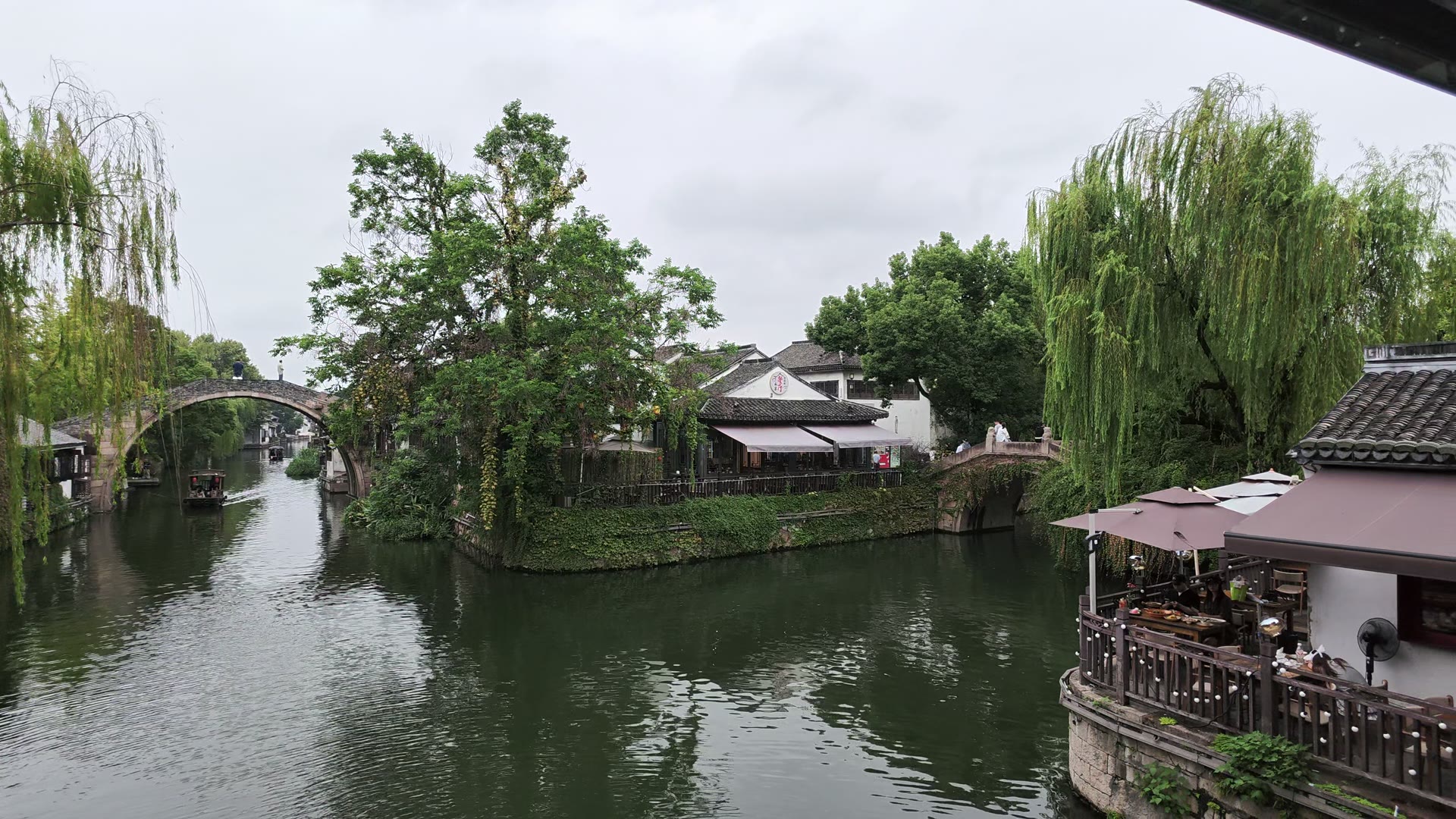
On-Site Video Record
Half an hour of walking the canals and lanes in the afternoon, in drizzle, crossing bridges and following the covered ways along the water. Ambient sound only, no commentary.
If the embed fails, the original is on YouTube.
Where It Is and How to Get There
Nanxun is in Nanxun district, Huzhou, at the point where Zhejiang meets Jiangsu. The high-speed station is Huzhou Nanxun; from there it is about fifteen minutes by taxi or a shuttle to the south gate. Drivers go straight to the south gate car park.
The street area of the town is free and open around the clock. The ticketed houses keep shorter hours, roughly 8:00 to 17:00 in summer and to 16:30 in winter. The lit section along the canal stays walkable until about 21:00.
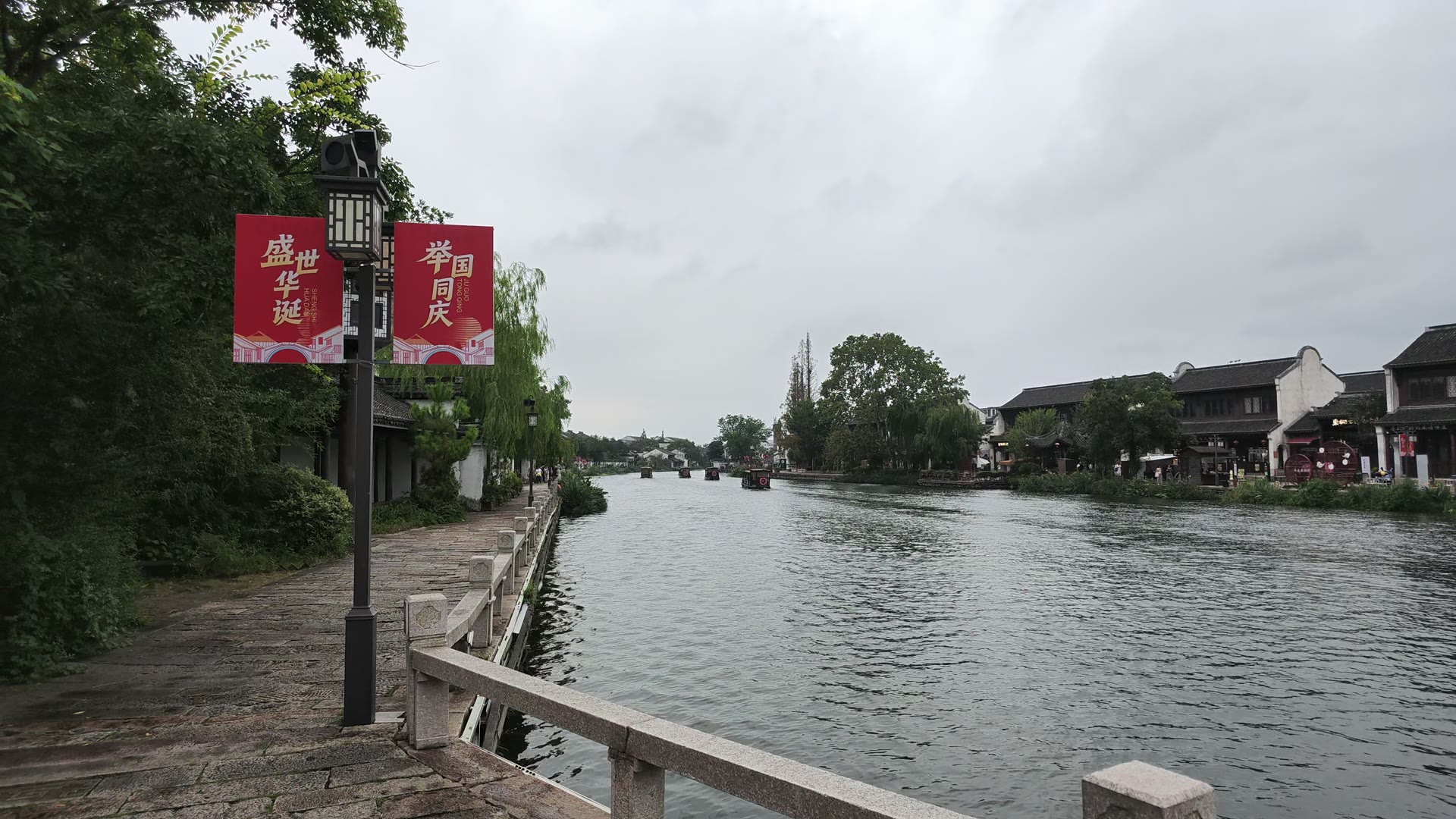
A Town Built at a Crossing
By the Southern Song the area was already described as the richest silk country in the region, and by the Ming and Qing it was one of the wealthiest towns in Jiangnan. The product behind that was jili silk, reeled in a village seven li from the town, and it was good enough to win medals at the first London world exhibition in 1851.
After Shanghai opened as a treaty port, Nanxun merchants stopped selling locally and started exporting. They moved into banking, property and railways, and the town classified them by size: four elephants, eight oxen, seventy-two golden dogs. Those top merchant families built the grand estates that now make up the ticketed sights.
The Mansions, and What the Ticket Buys
The street is free, the houses are not. One combined ticket covers five sites and stays valid for two days, which is the sensible way to do it: Xiaolianzhuang garden, the Jiayetang library, Zhang Shiming former residence, the Liu family staircase house and Zhang Jingjiang former residence. Buy it online if you can, and check the price when you go, as seasonal rates can vary.
Xiaolianzhuang was the private garden of Liu Yong, the richest of the four elephants, begun in 1885 and finished forty years later by his grandson Liu Chenggan. It covers twenty-seven mu around a lotus pond. Next door, Liu Chenggan built the Jiayetang library between 1920 and 1924, named after a plaque given by the last Qing emperor; it once held hundreds of thousands of volumes, and in 1951 he gave the whole collection to Zhejiang library.
Zhang Shiming house is the one people photograph. It is a Chinese courtyard house with a French Renaissance block built into it, and the windows hold imported blue cut glass that supposedly cost an ounce of gold a pane. Brick, wood, stone and glass carving are the four things to look at.
The Liu family staircase house, known as the red house, has a red brick facade wrapped around Chinese courtyards. The Zhang Jingjiang house is plainer and holds a hall hung with calligraphy by Sun Yat-sen and Weng Tonghe.
Baijianlou: Four Hundred Metres of Riverside Houses
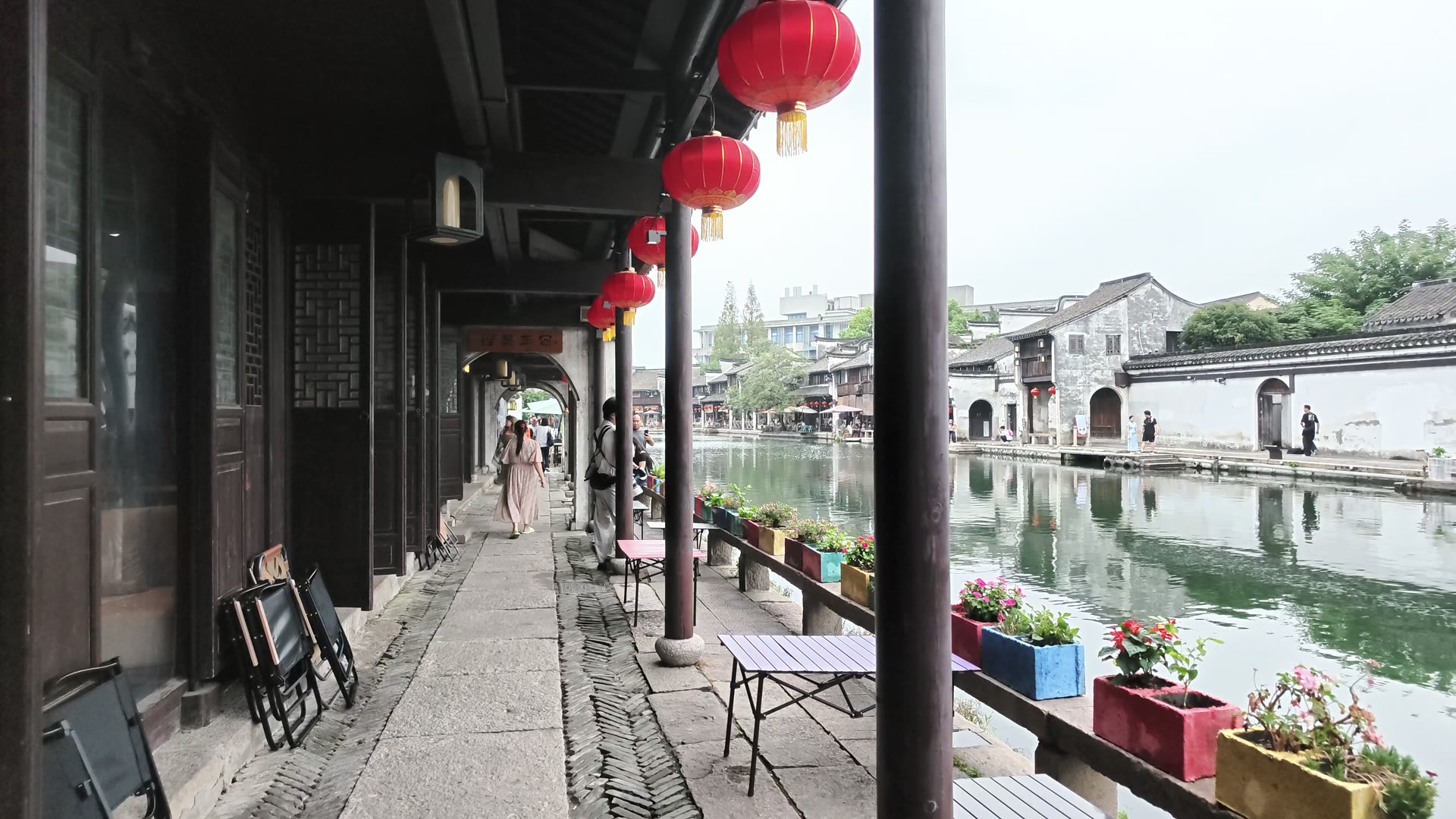
North-east of the centre, the canal runs past a continuous row of houses on both banks, close to four hundred metres of them. This is Baijianlou, and it is free. It was built in the Wanli reign of the Ming by Dong Fen, a minister at court, for the women and servants of his household; a hundred rooms to start with, which is where the name came from. Most of what stands now dates from the late Qing and early Republic, with arcades, eaves over the lower floor and stepped gable walls.
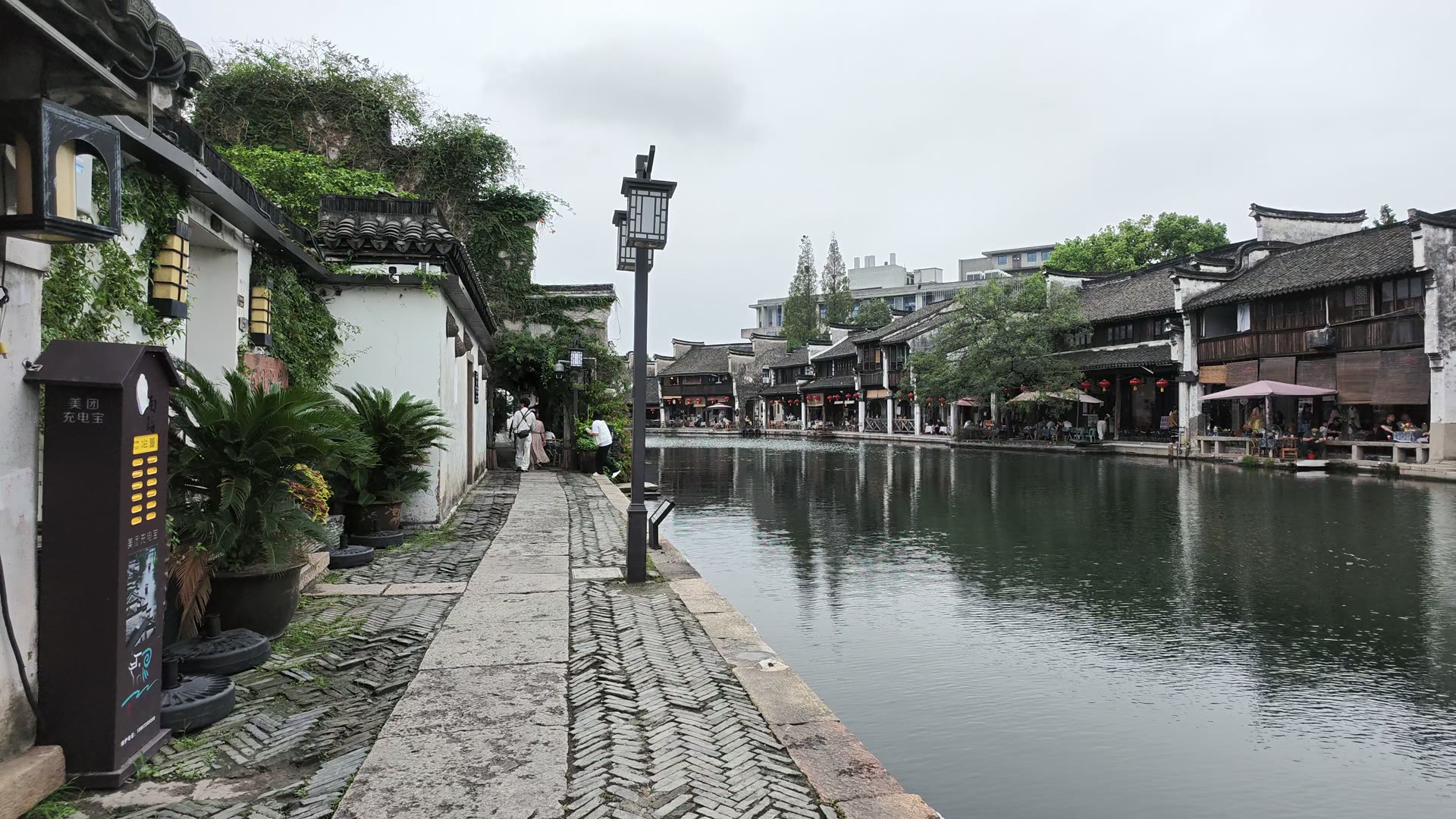
This is the stretch to walk slowly, and the best reason to stay overnight rather than visiting on a day trip. In the morning it is quiet enough to hear the water.
After Dark
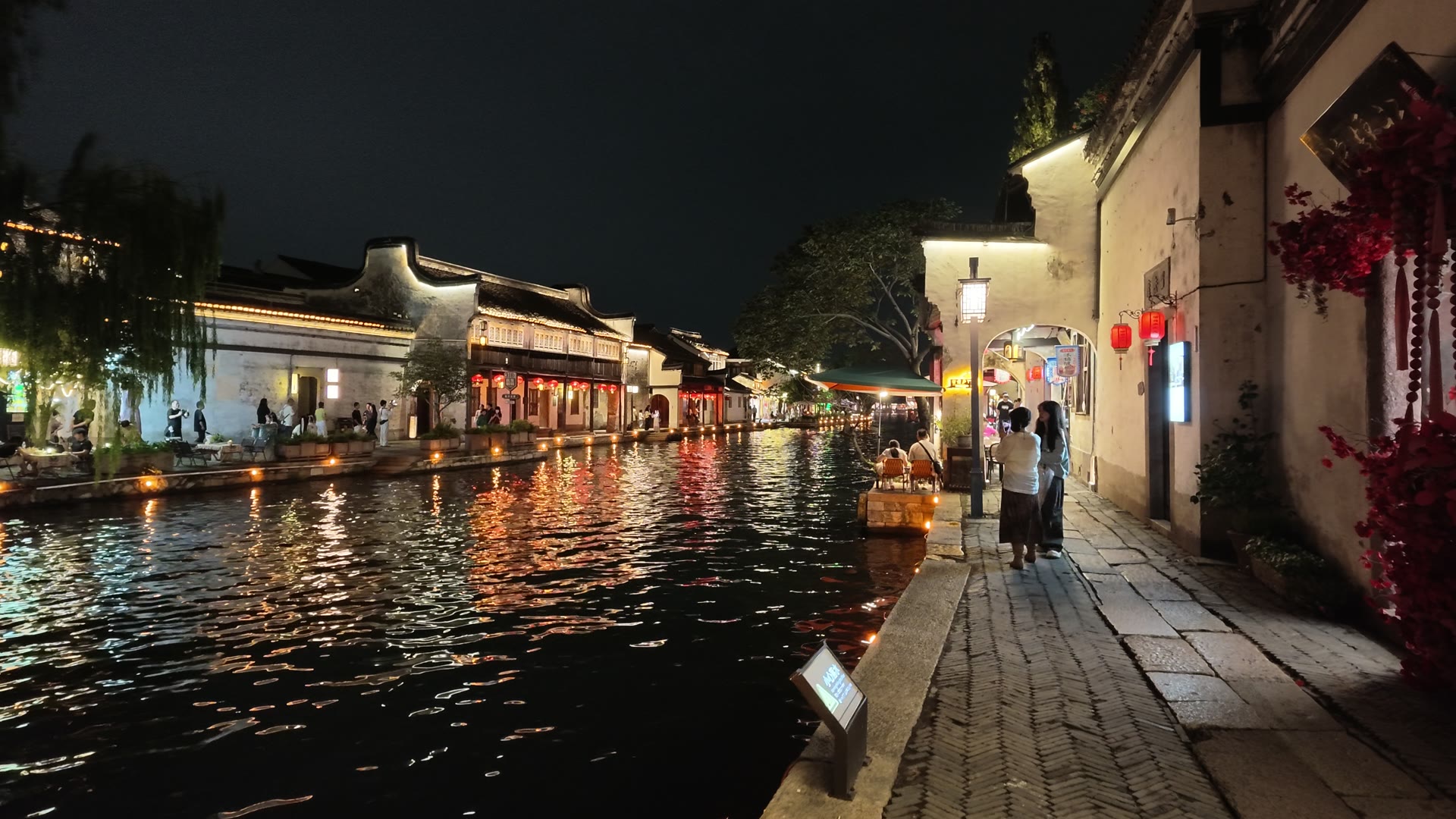
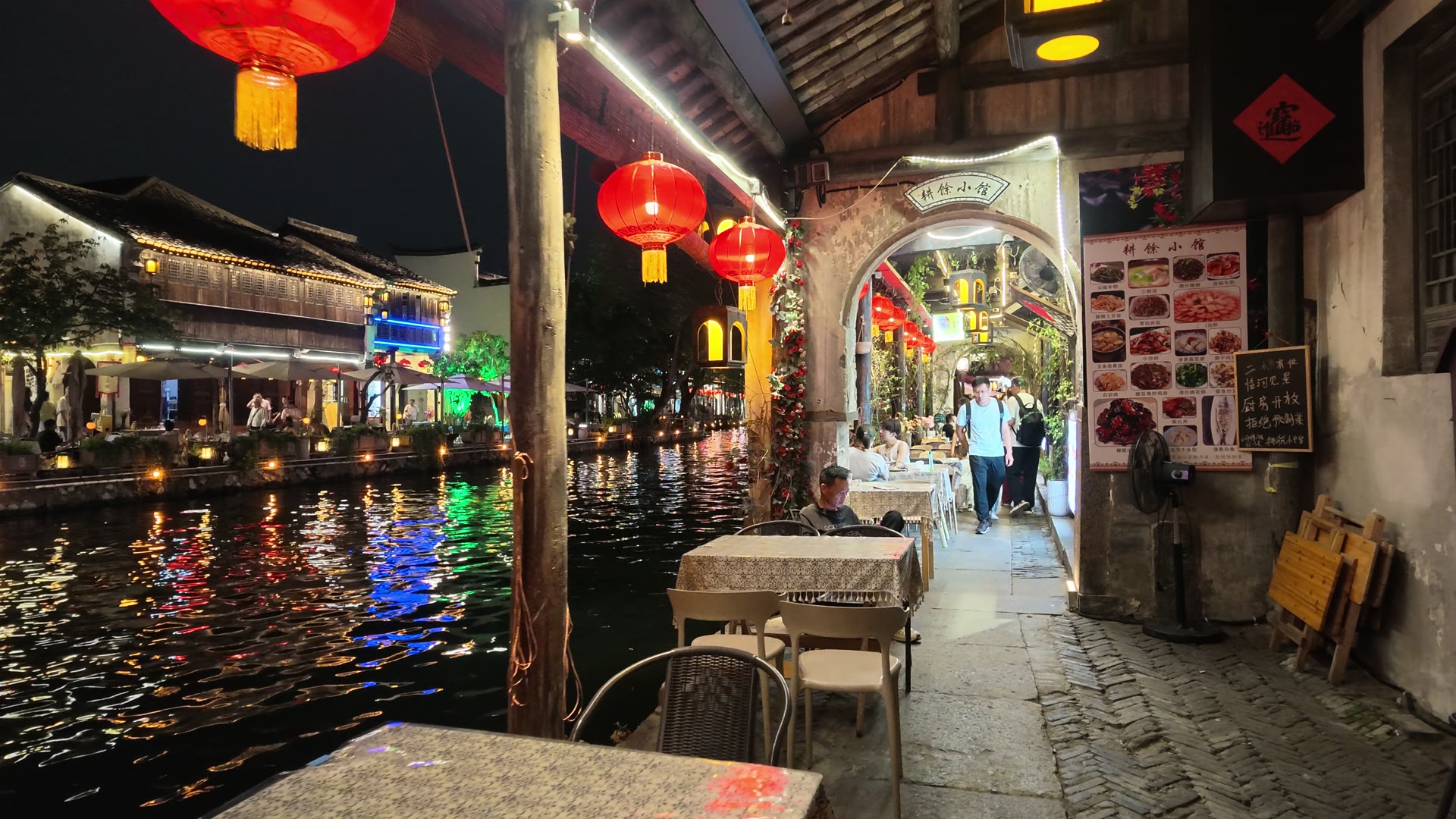
Nanxun turns on its lights along the canal in the evening, and the covered walkways fill with people eating at tables set out under the eaves. The lantern reflections along the water are the highlight of the evening walk. A one-way night boat from Xiaolianzhuang to Guanghui gong costs about CNY 40.
If the embed fails, the night walk is on YouTube as well.
What to Eat
The local dishes are pork knuckle braised until it falls apart, a noodle bowl topped with both shredded pork and fried fish, a green vegetable grown around here and served plain, and steamed rice cakes. Smoked bean tea is the local drink.
Is It Worth Visiting
Yes, if you want the richest of the Jiangnan water towns rather than the prettiest one. The combination is unusual: a free street you can walk at any hour, and a set of houses that are genuinely worth the ticket.
The main street is busy and commercial, which is obvious within ten minutes of the gate. If you prefer quiet mountain stone steps with no crowds at all, look at Changkeng or Yangtai in Anhui, though those villages have no visitor facilities.
Practical Information
| Item | Details |
|---|---|
| Location | Nanxun district, Huzhou, Zhejiang |
| Founded | 1252, from the villages of Xunxi and Nanlin |
| Fabric | More than 200,000 sq m of historic buildings; Grand Canal World Heritage site |
| Street entry | Free, open 24 hours |
| Combined ticket | About CNY 85 for five sites, valid two days; cheaper online. Check the current price |
| Sites covered | Xiaolianzhuang, Jiayetang library, Zhang Shiming house, Liu staircase house, Zhang Jingjiang house |
| Baijianlou | Free, open all day |
| Opening hours | Ticketed houses about 8:00-17:00 (Apr-Oct), 8:00-16:30 (Nov-Mar); lit canal until about 21:00 |
| Boats | Rowing boat about CNY 160 per boat (up to 8); water bus CNY 3; night boat about CNY 40 one way |
| Getting there | Huzhou Nanxun high-speed station, 15 minutes by taxi or shuttle; or drive to the south gate car park |
| Time needed | Half a day for the street and Baijianlou, a full day with the ticketed houses |
Visiting Tips
- Decide before you arrive whether you want the houses. The street alone is free and covers most of what people come for.
- Buy the combined ticket online and keep it for two days. One afternoon is not enough for five sites.
- Walk Baijianlou early, before the day groups arrive. It is the best free stretch in town.
- Stay overnight if you can. The lit canal in the evening and the empty lanes at seven in the morning are the two best hours.
- Take the water bus rather than the private boat if you only want the experience. It costs 3 yuan instead of 160 yuan for a private rowboat.
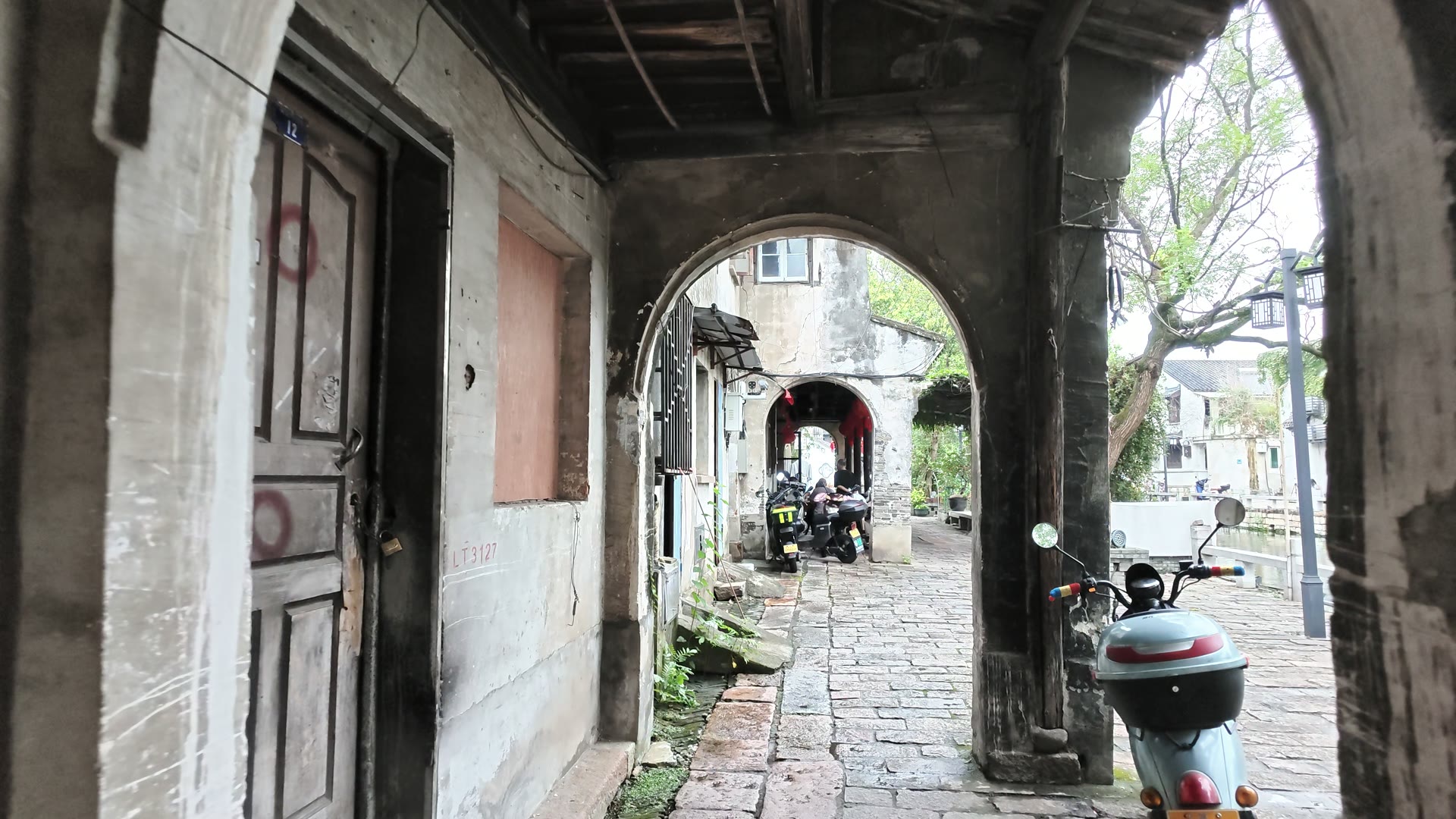
- Bring an umbrella. Light rain is common in the region, and the covered corridors keep much of the walk dry.
For other water towns on this site, Shantang Street in Suzhou is a single canal street rather than a whole town, and Anchang in Shaoxing is smaller, cheaper and far quieter.
Drawn from the on-site walks published in September and October 2026.